Overview
In the recent years, Food Trucks had become increasingly popular especially in urban cities. According to a recent article published by City Lab, the U.S. food truck industry blew past the $1 billion revenue mark for the first time on 2012. This makes it one of the fastest-growing sectors of the national food and restaurant market. On the business side of things, numerous studies have been conducted about how digital technology is tied with how succesful a food truck is. Truck locations vary every day and owners and consumers depend on social media to announce where the current location is.
Problem
There are two main problems that Bite Site addresses. First, because food trucks mainly rely on Twitter and other social sites to let consumers know of their location, they first need to establish their presence and build up their following to ensure people even know to look for them. This is a primary challenge for new food trucks. The second problem Bite Site eliminates is the time people spend waiting in lines. Most food trucks' target audience are largely office employees who often have between 30 minutes to an hour to spend for lunch.
Solution
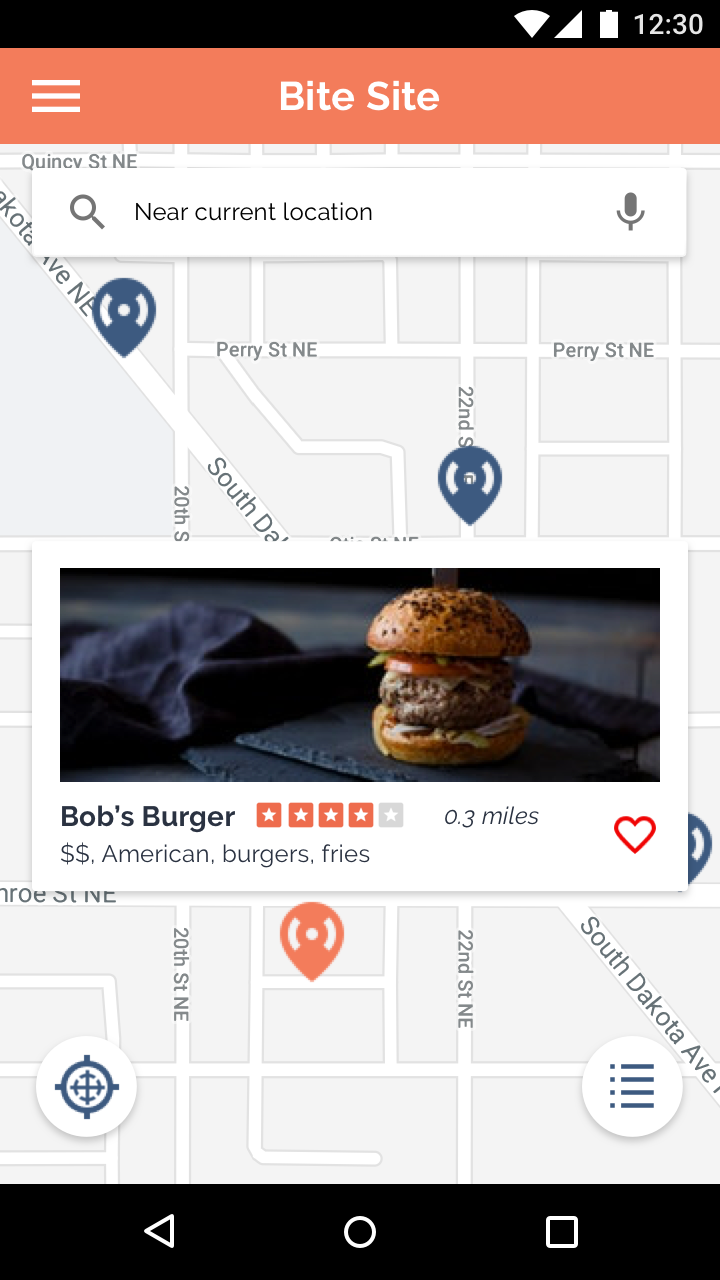
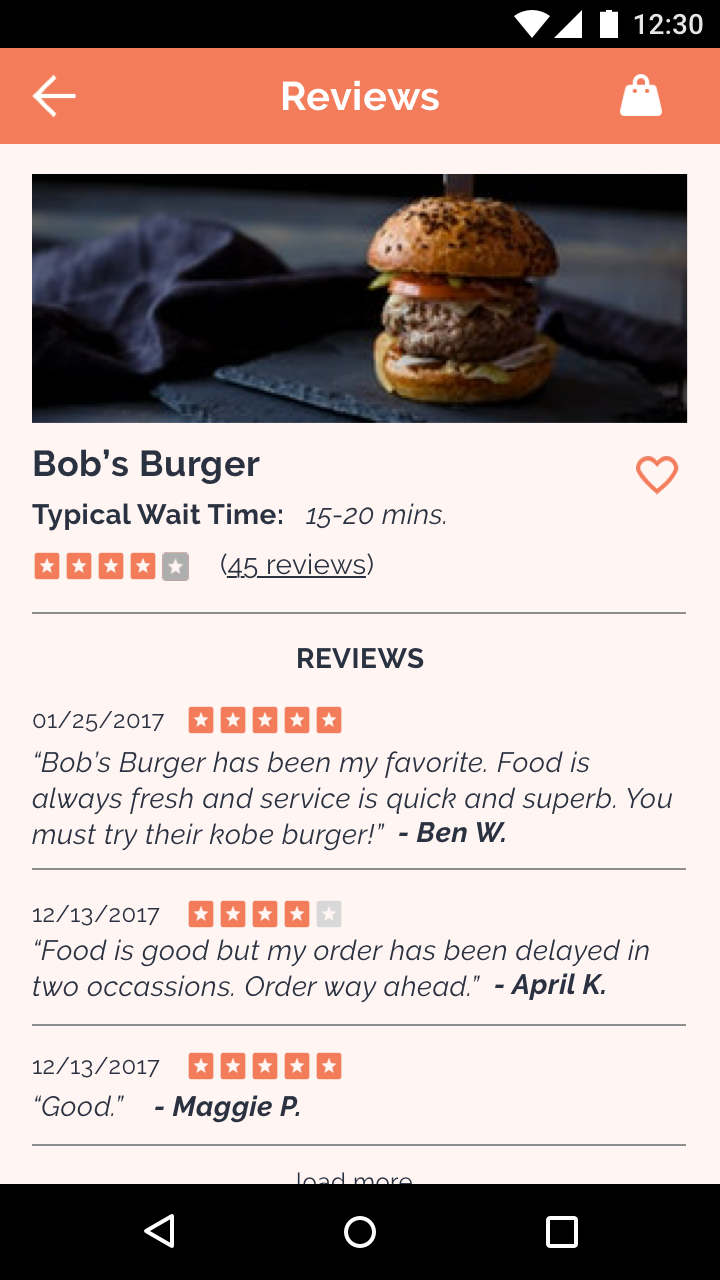
Bite Site uses geo-location services to locate food trucks in your area and lets you place an order in advance. Consumers are able to see all the food trucks in the area, increasing the chances of a new food truck to be "discovered" while the ability to place your order in advance on ensures that users are able to plan their meal breaks better. Consumers are also able to read and leave reviews to help others with their meal choices.
View The Prototype >>Research
User Surveys
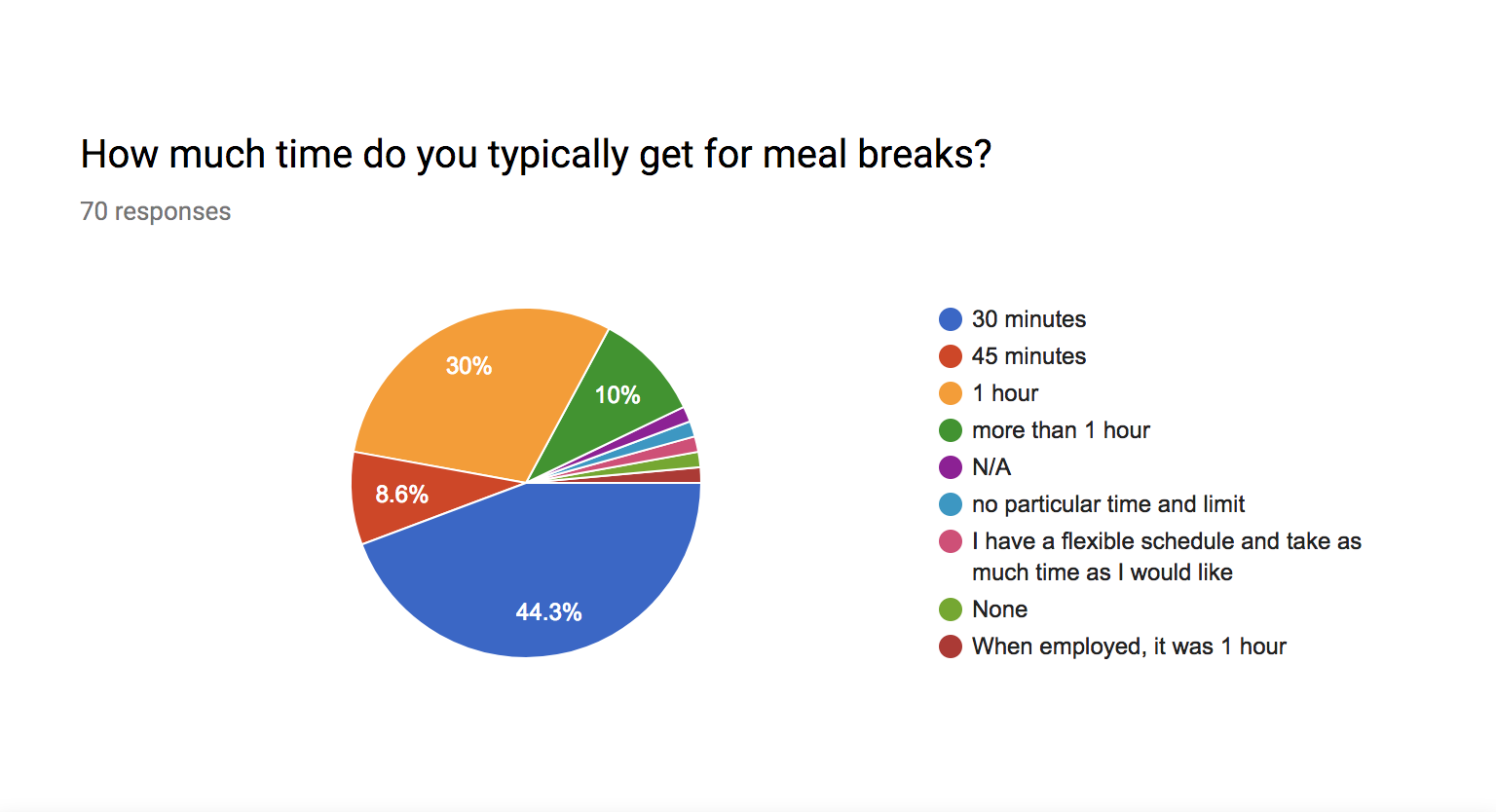
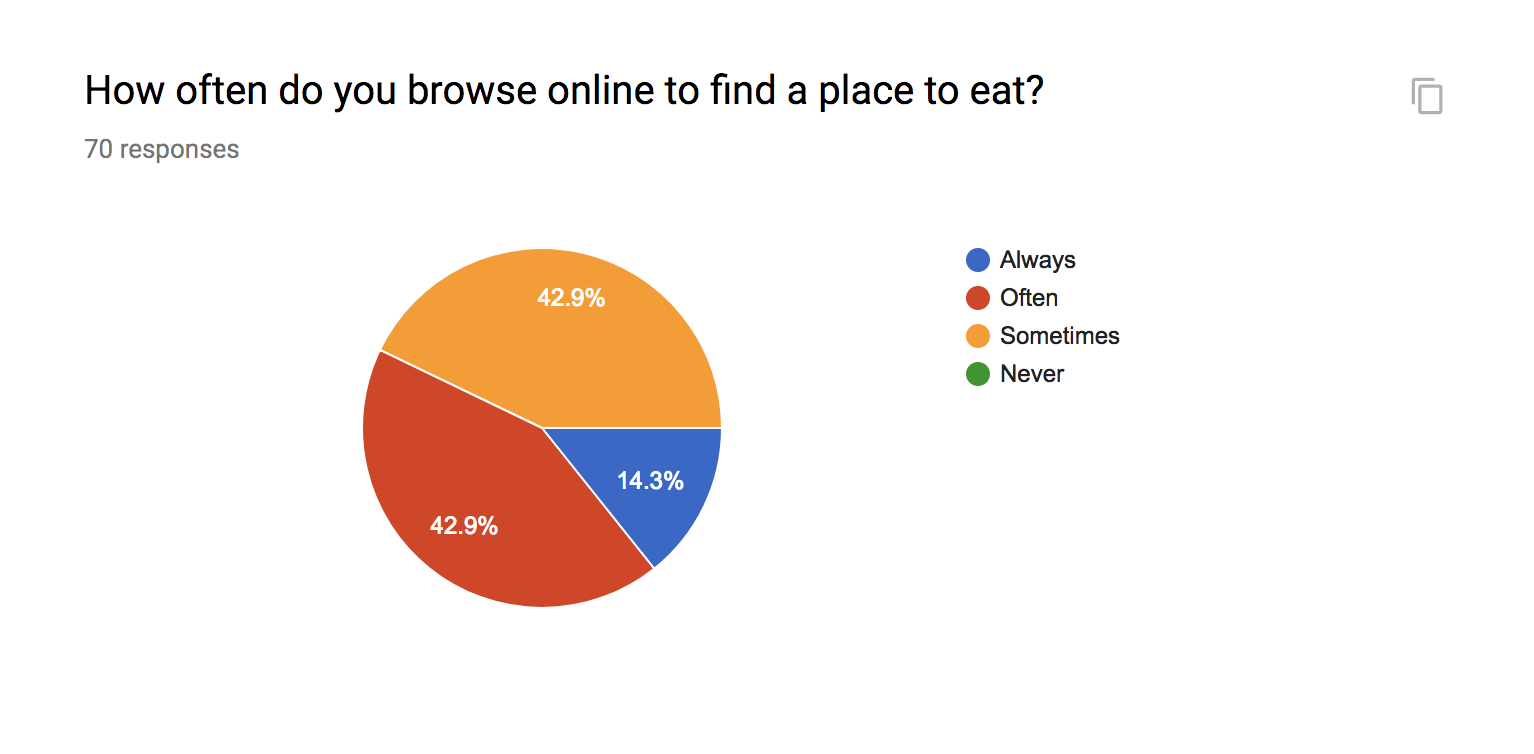
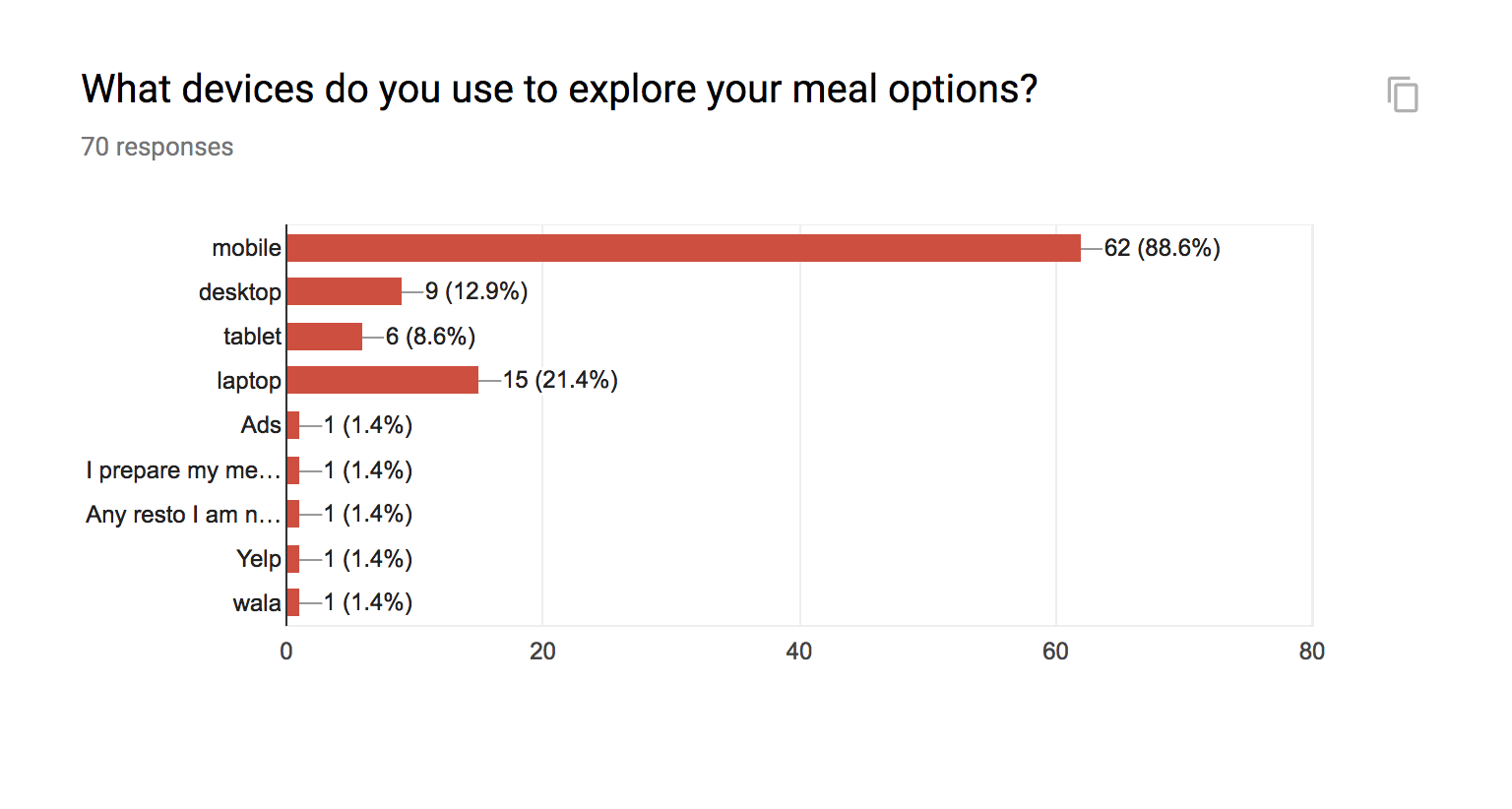
Participants of varying backgrounds are surveyed on their decision making process for purchasing to-go meals. 100% of the users own mobile phones and 88.6% use them to explore meal options. The amount of time participants get for lunch breaks vary but a great majority (44.3%) spend 30 minutes and 30% get an hour of meal time. This enforces the need for advanced ordering so people have enough time to enjoy their purchases. The research also found that a good chunk (41.4%) of users deem that images of the food selection is important in making their decisions. Other findings suggest that users are likely to highly likely to leave reviews and the decision to do so depends on extreme experiences. Excellent customer service is just as likely a reason as severely terrible treatment for them to share their thoughts with others.

Competitive Analysis
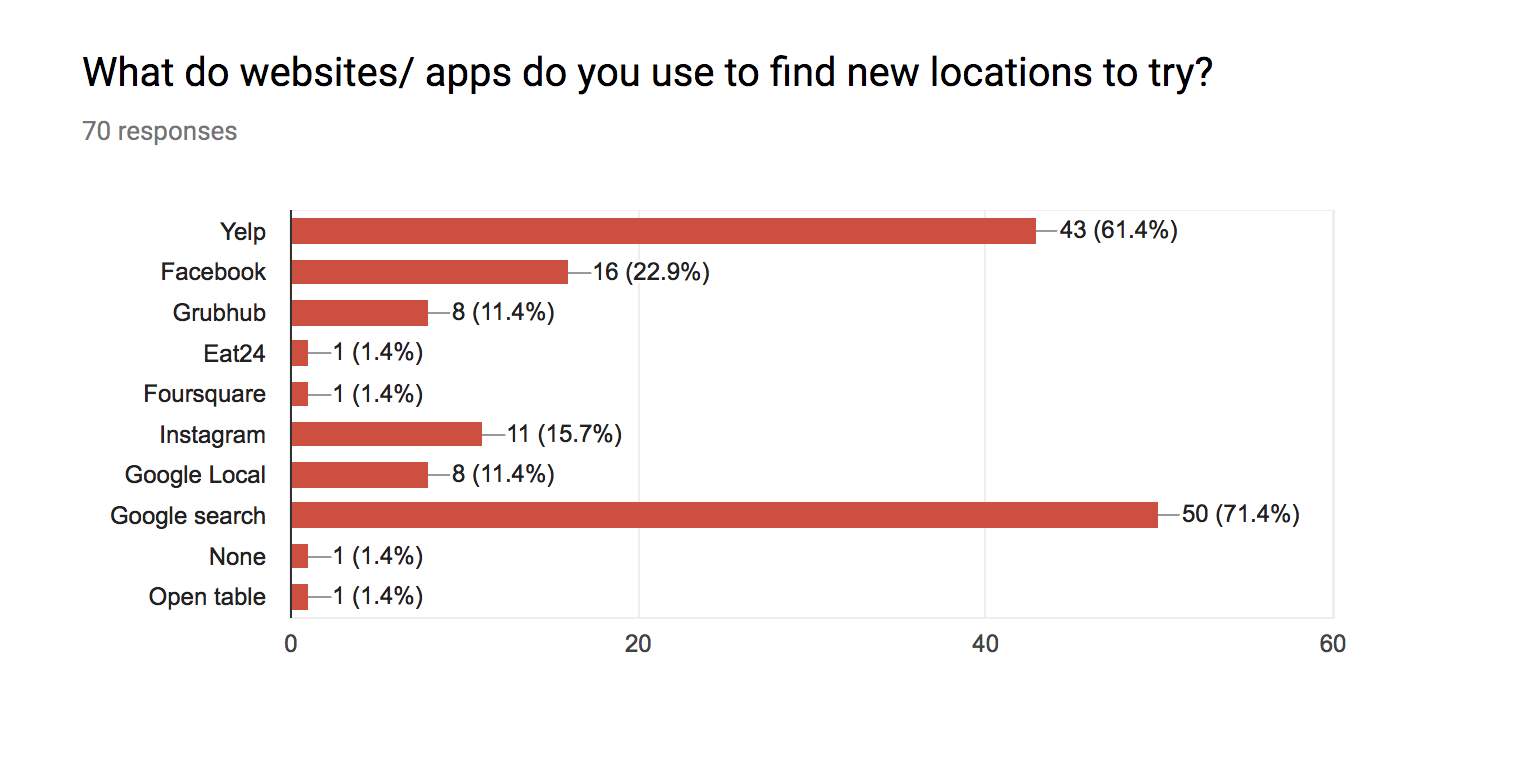
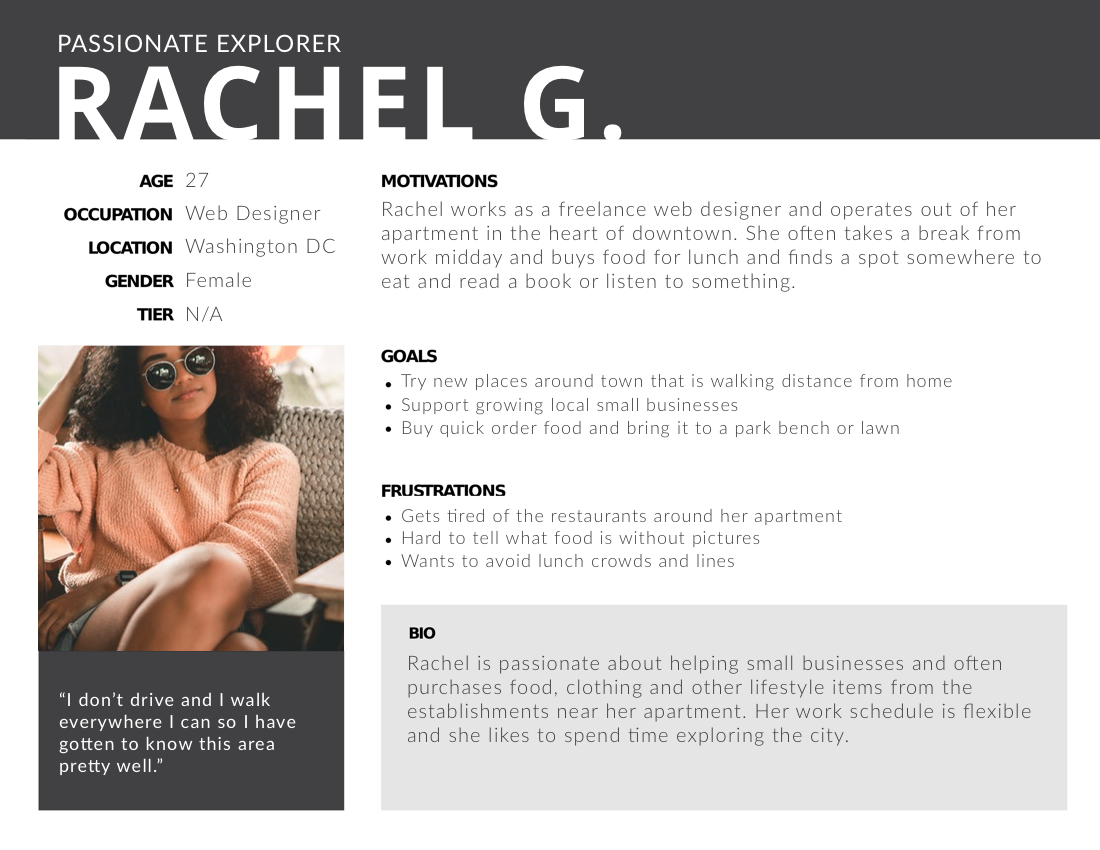
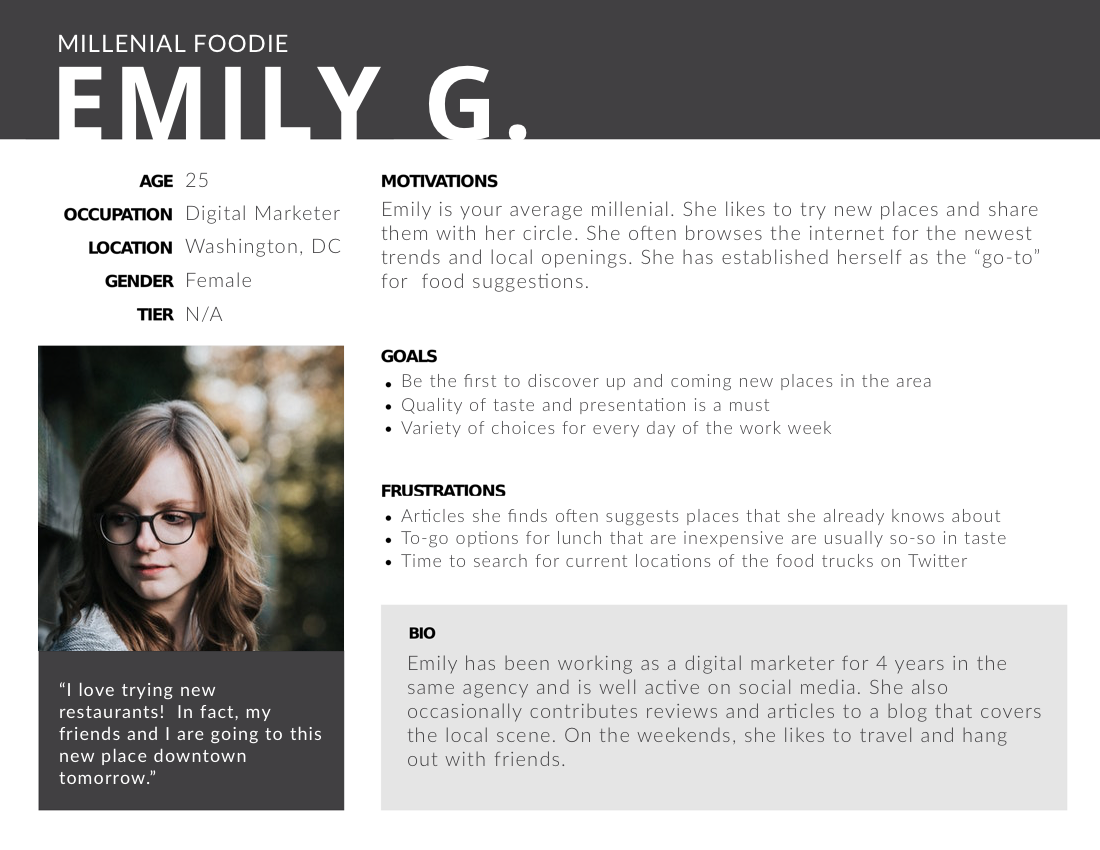
From the survey conducted, 3 top sources were taken for a competitive analysis: Yelp, Grubhub and Google Search. None of them specifically catered to connecting consumers to food trucks which reinforces the need for a service like Bite-Site. From the surveys and the competitive analysis, 3 personas were created.


Branding
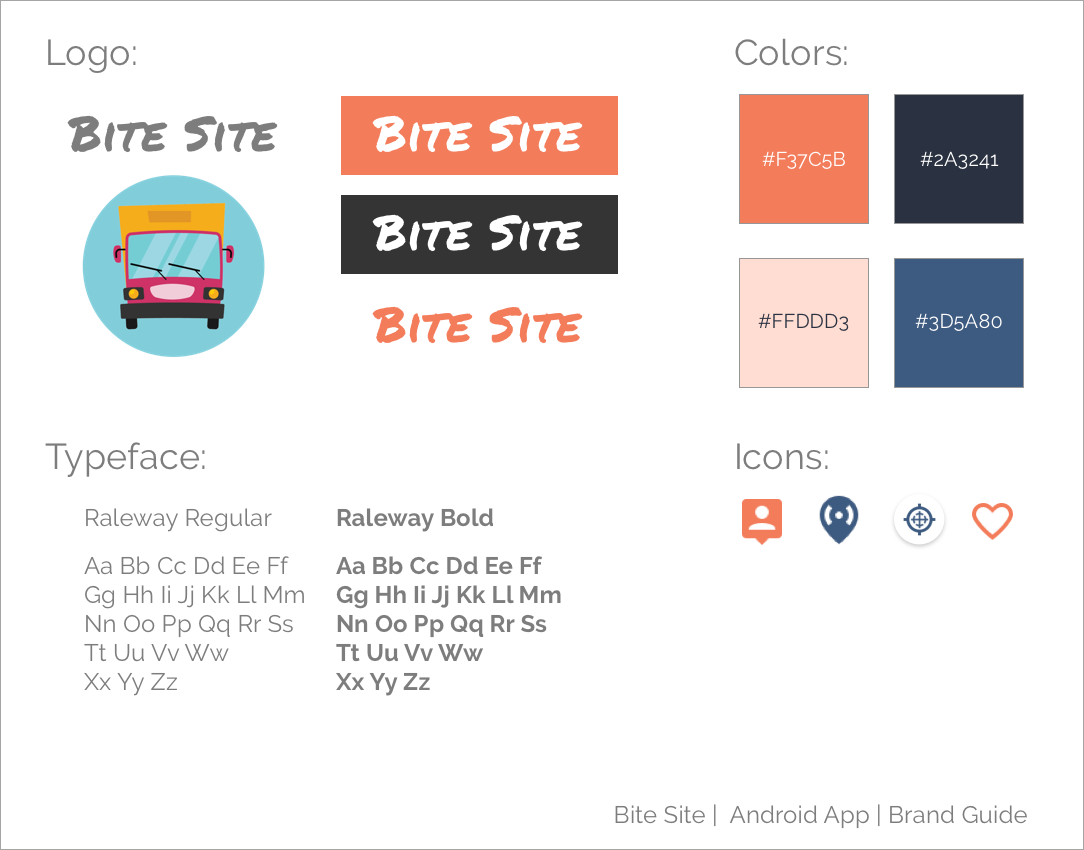
Part of this project was to design a brand strategy including coming up with a name for the app. Before it was established, this project was labled "Project X" for layout testing purposes. A palette of orange tones was chosen based on the understanding of the psychology of colors. I wanted something that is appetizing yet not overwhelming; Fun and friendly but not too busy.
Wireframes
User Stories
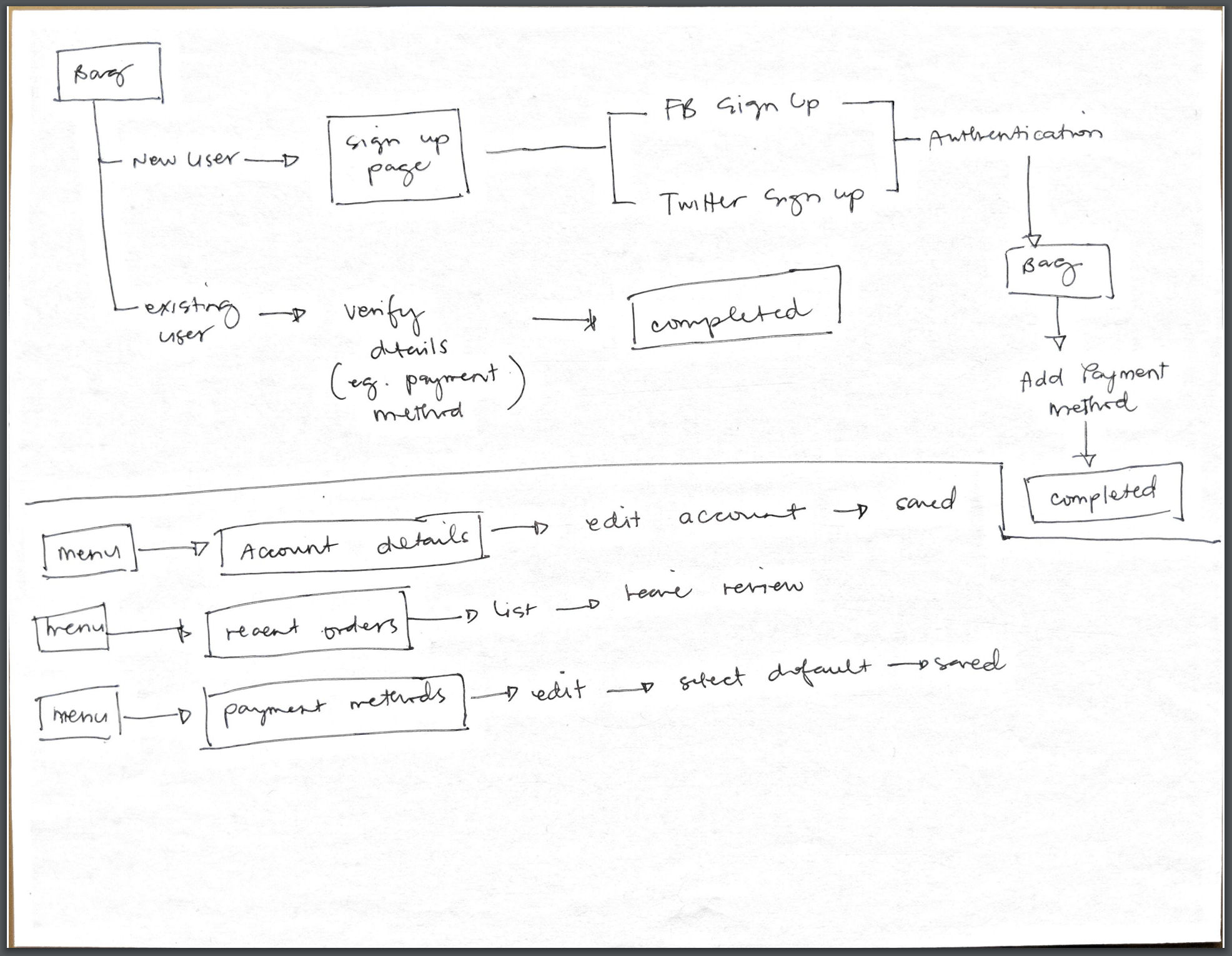
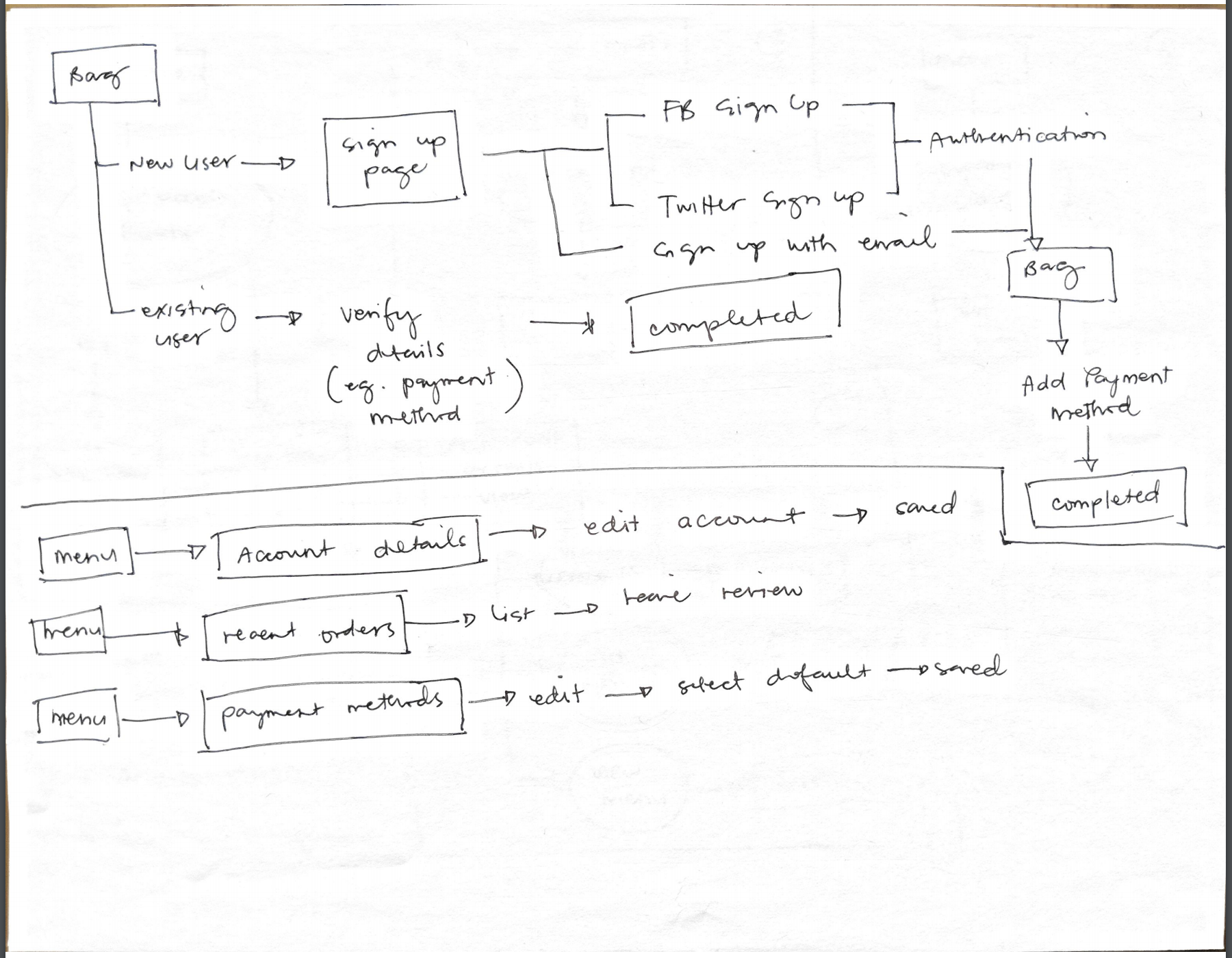
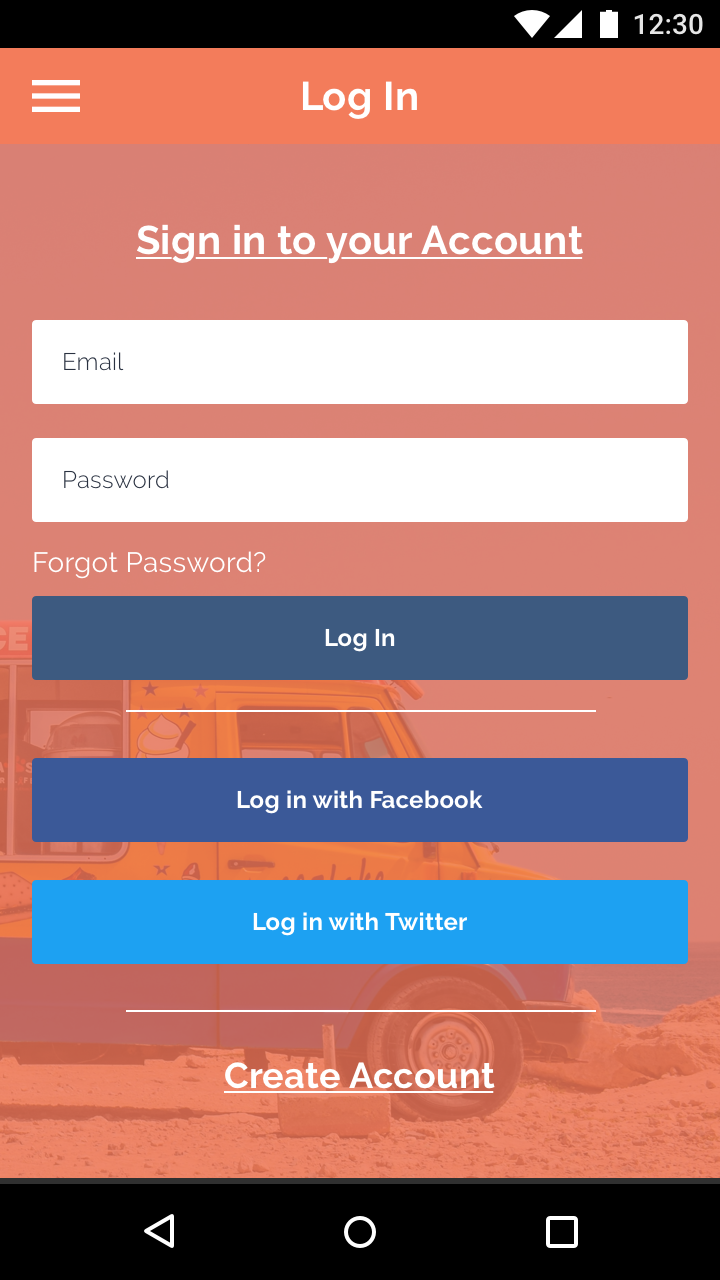
To establish the minimum viable product (MVP), I determined user stories through a spreadsheet and a user flow chart. This gave a blueprint of all the screens that needed to be made. One non-negotiable feature was that users should be able to find food trucks without having to log in or sign up. Users only need an account to place their orders.

Mockups
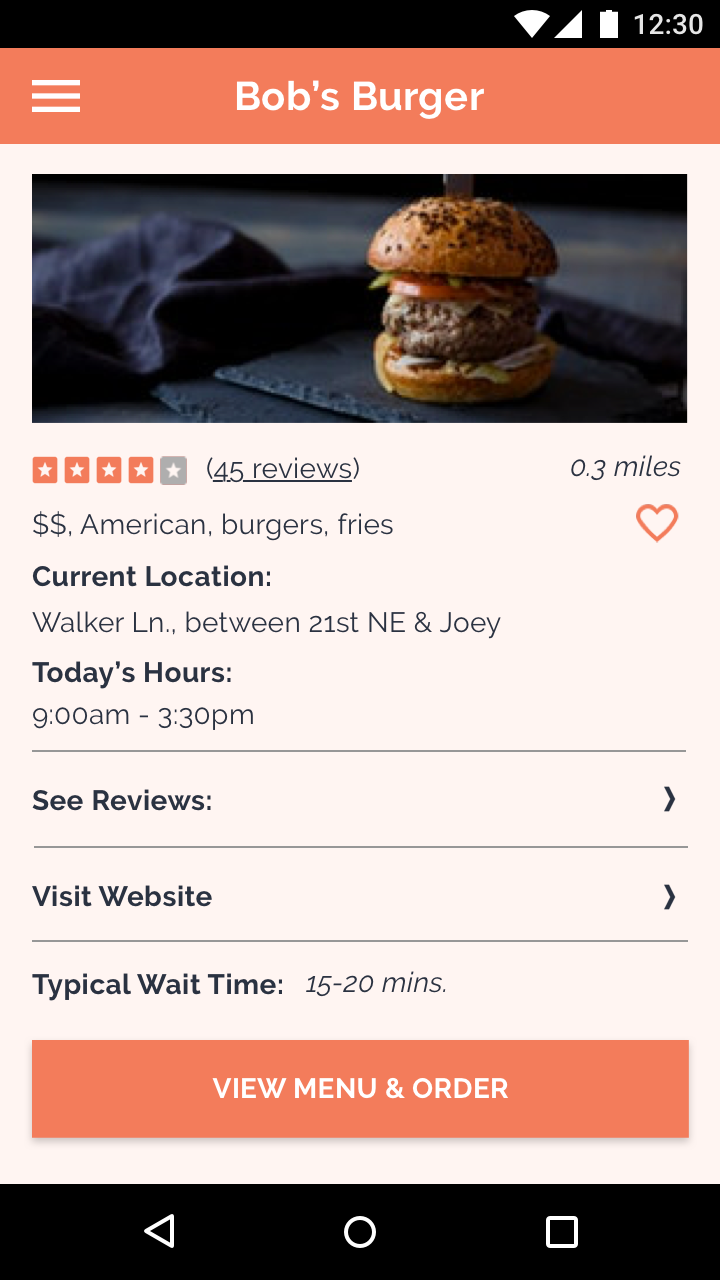
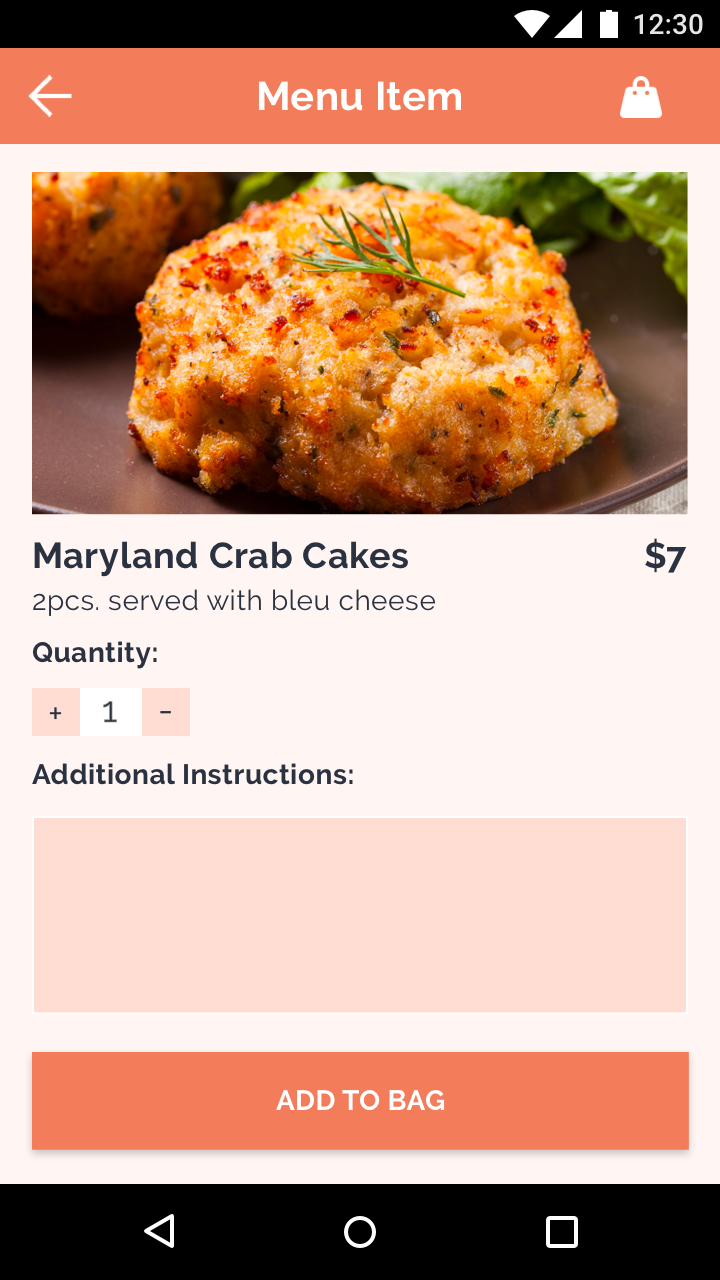
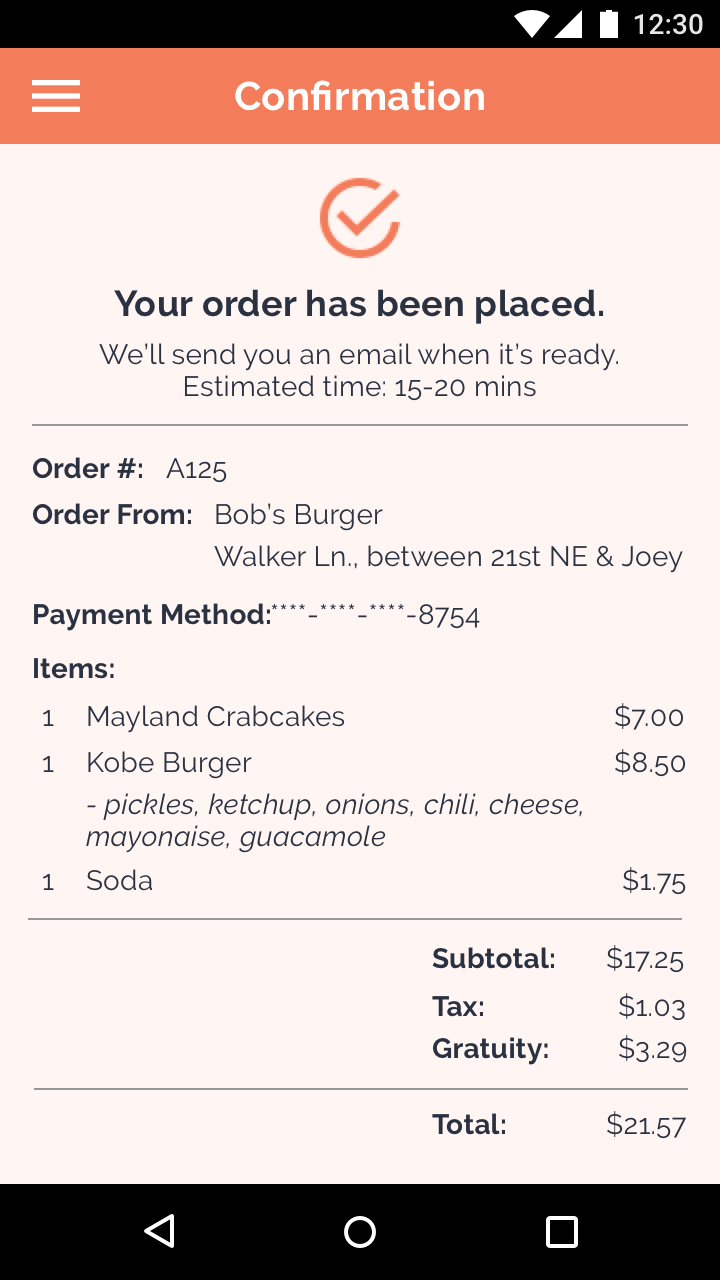
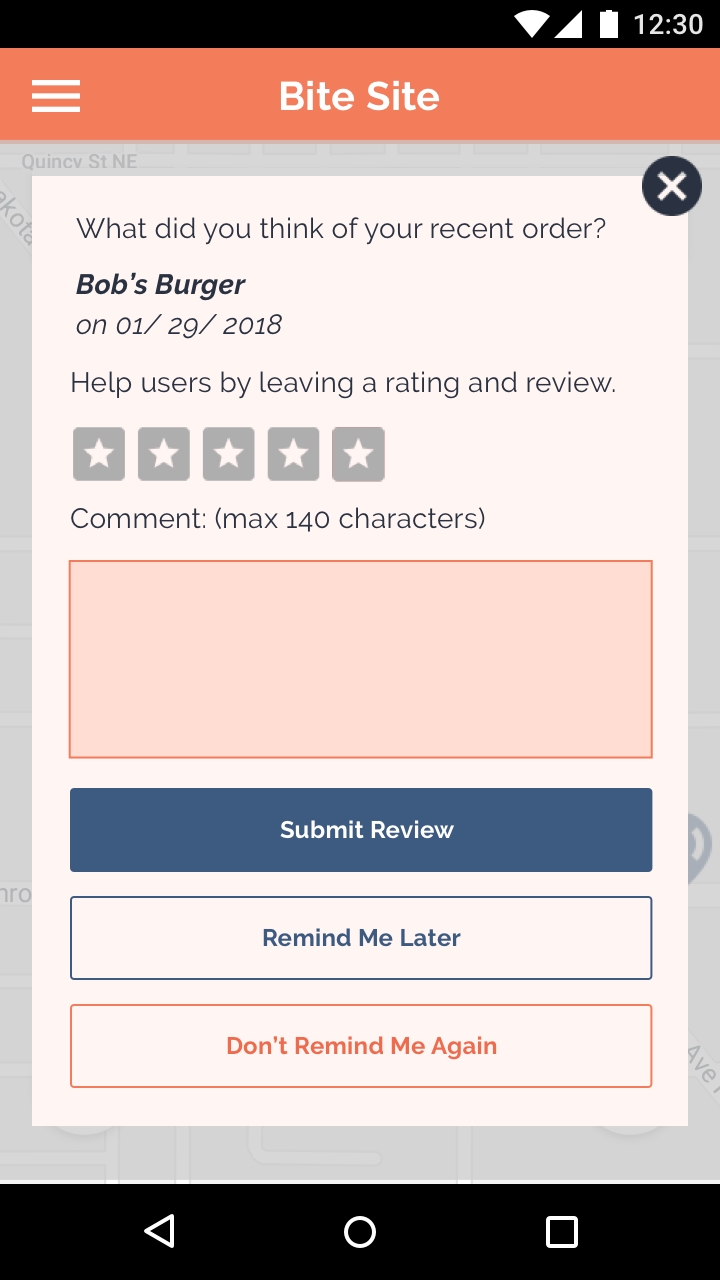
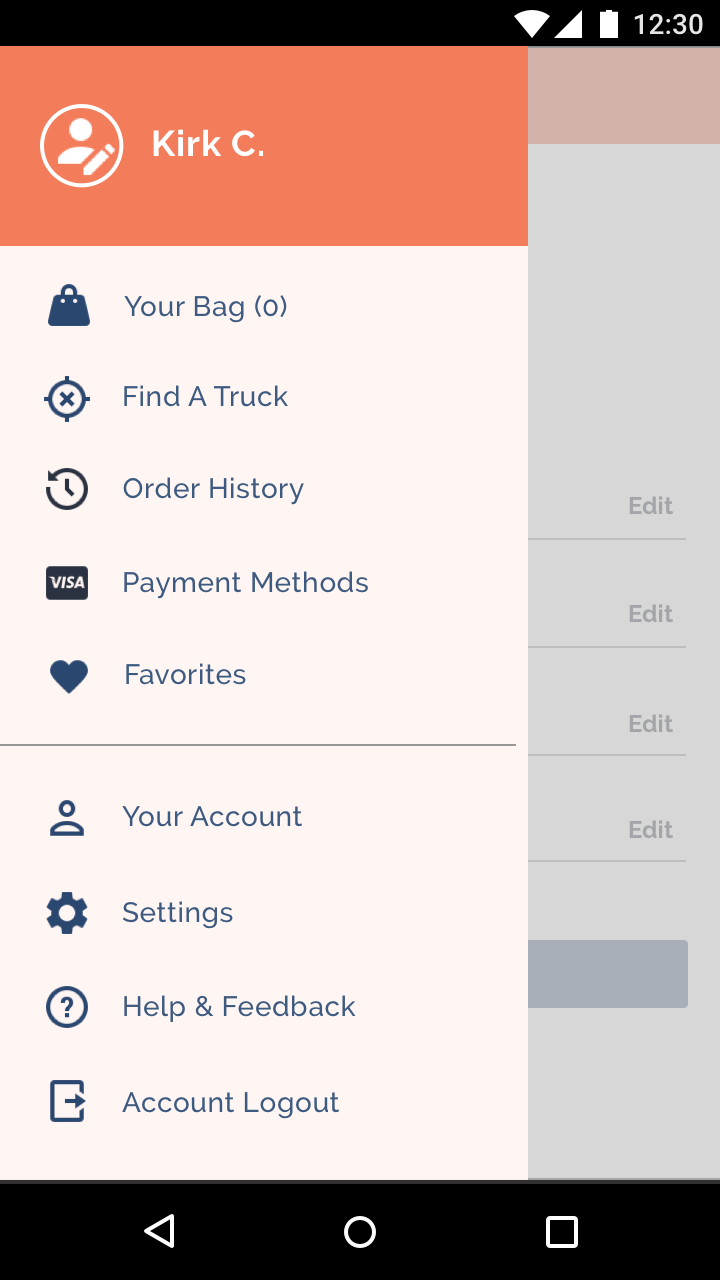
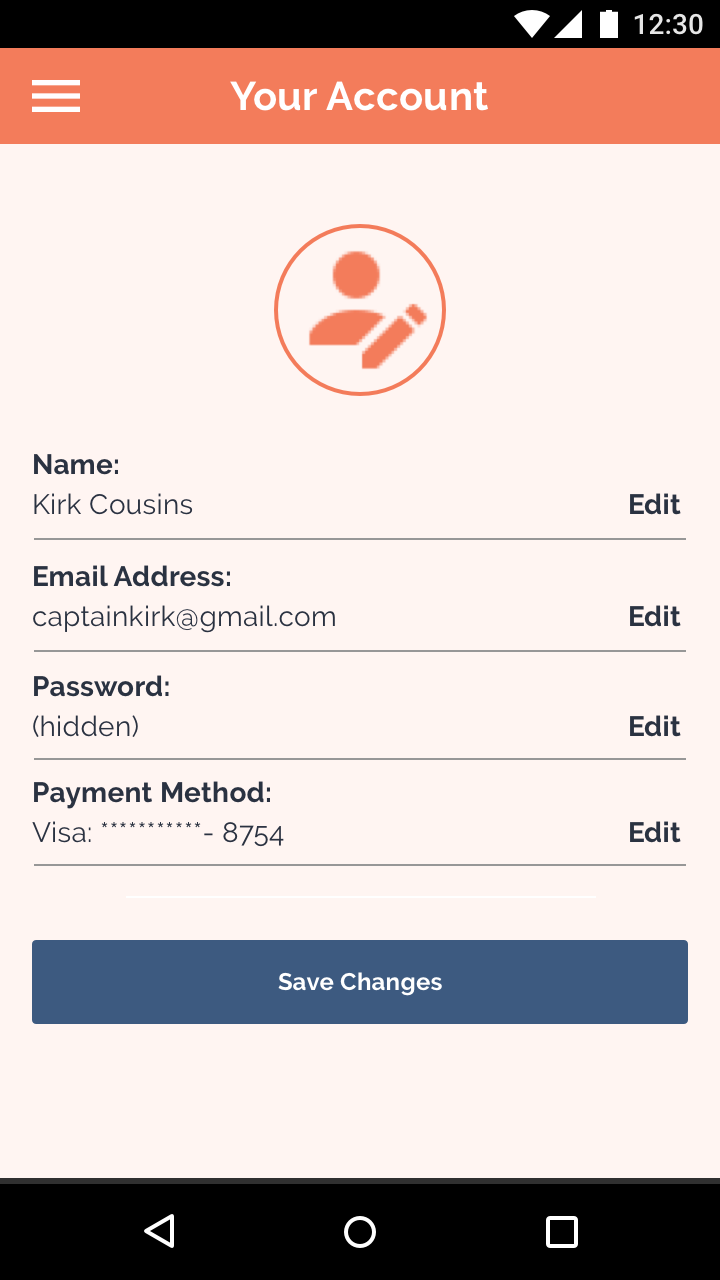
The interface design for Bite Site started with a few sketches to lay out the basic features. One of the challenges is making sure that the pages present necessary information without looking too clutered or overwhelming for the user. Since this is an Android app, I made sure to follow the guidelines for material design.

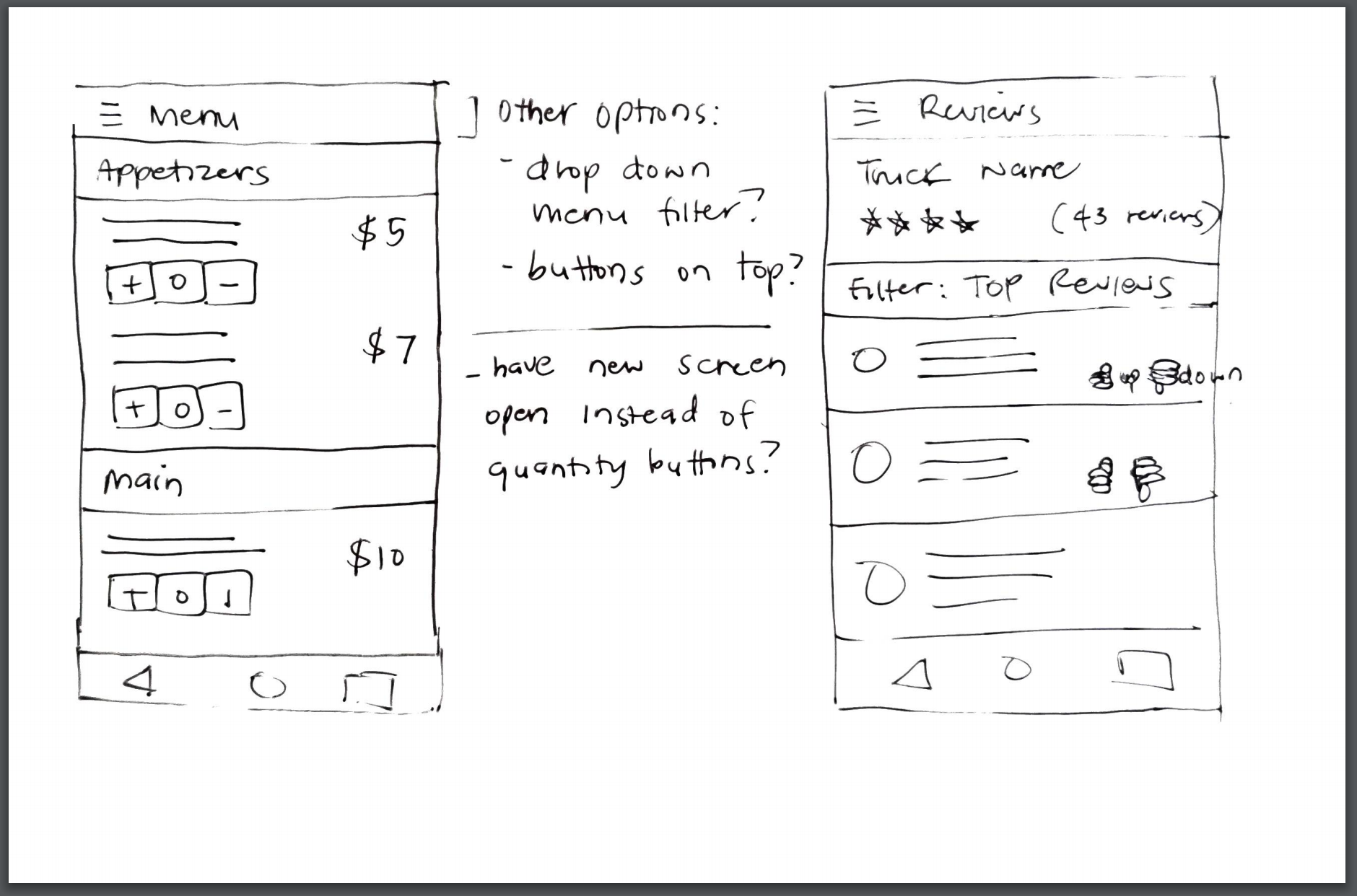
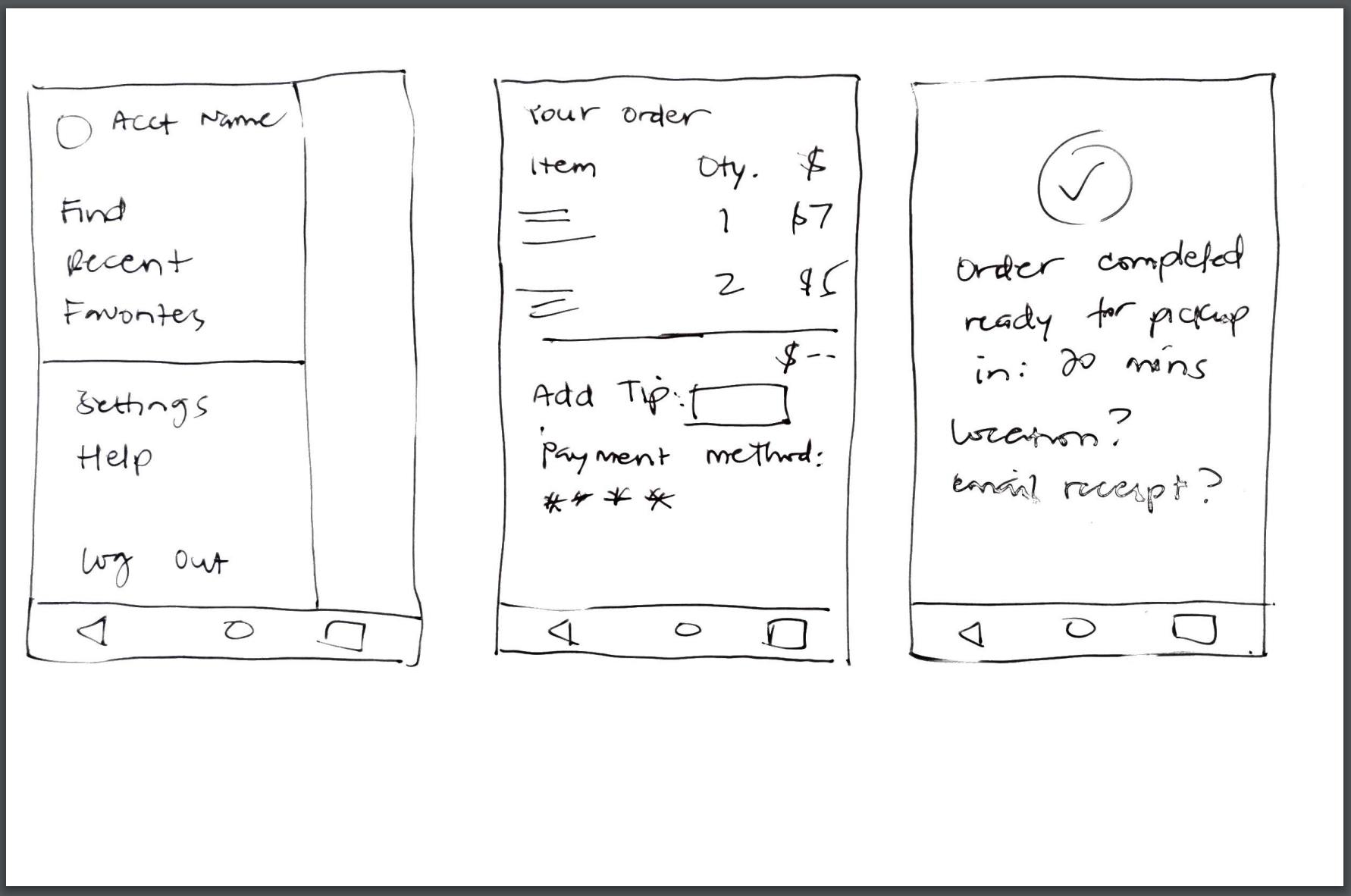
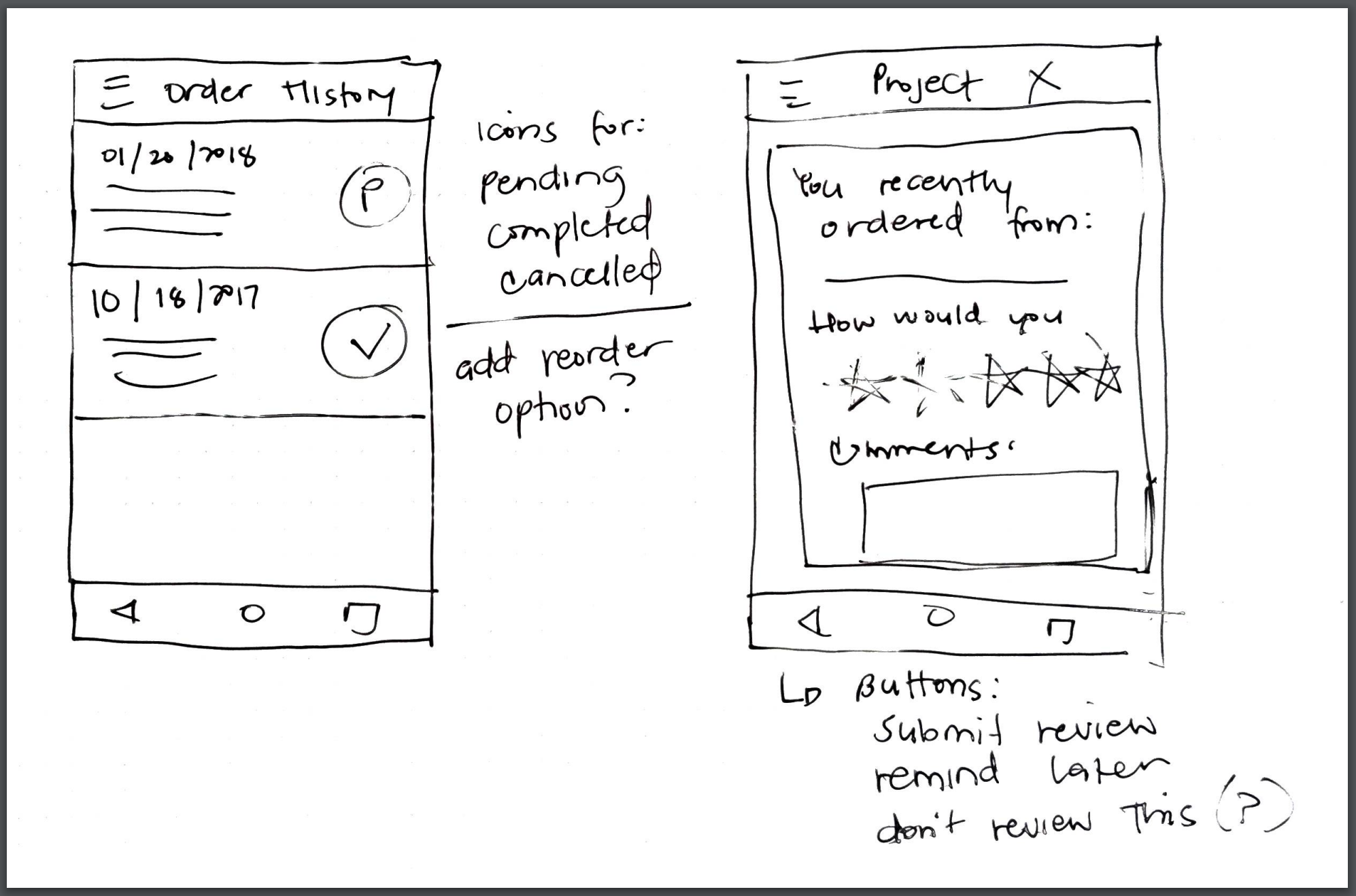
The sketches are then translated into high fidelity mockups using Sketch with a few user preference tests to determine some interaction design elements. One of the preference tests administered was to determine how users can add items to their order.
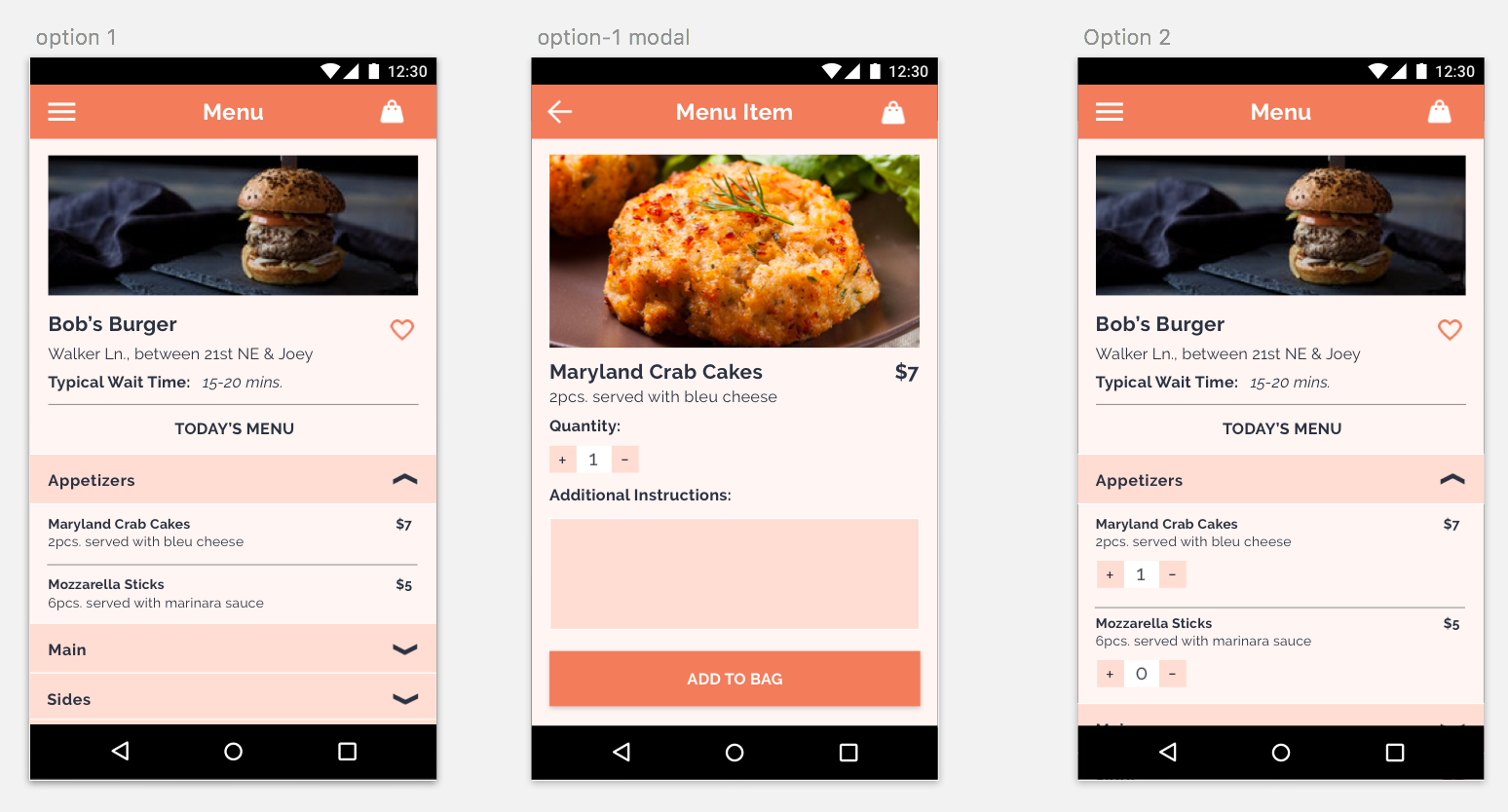
After a few rounds of iterations, the high fidelity mockups were turned into a clickable prototype in Invision and sent for validation testing, both remote and in person. Participants responded positively and are able to use the app without issues.
Learnings
I am really excited about the concept of this app as there is a need for it in the current market. Given more time, I would like to develop this into a working Android app.
As for my personal experience, being able to learn and apply the material design guide is a great addition to my skillset. Learning how to make efficient use of space in a limited screen size was a challenge that I'm glad to have overcome. This project has also honed my user testing capabilities and has allowed me to practice empathy and research without personal bias.